
How to Look Your Best for the Show Ring - Rider Edition
When you step into the show ring, it's a chance to showcase the hard work that you and your horse have put in. While putting in the training hours is important, it's equally as important to look the part when you step into the ring. It takes a combination of meticulous preparation and dedication to have a successful show day, so why not look the part?
Proper attire plays an important role in our sport, especially in the hunter and equitation rings. Dressing appropriately reflects the tradition of our sport, shows respect to the judge, and gives you a competitive edge.
Helmets and Hair Nets
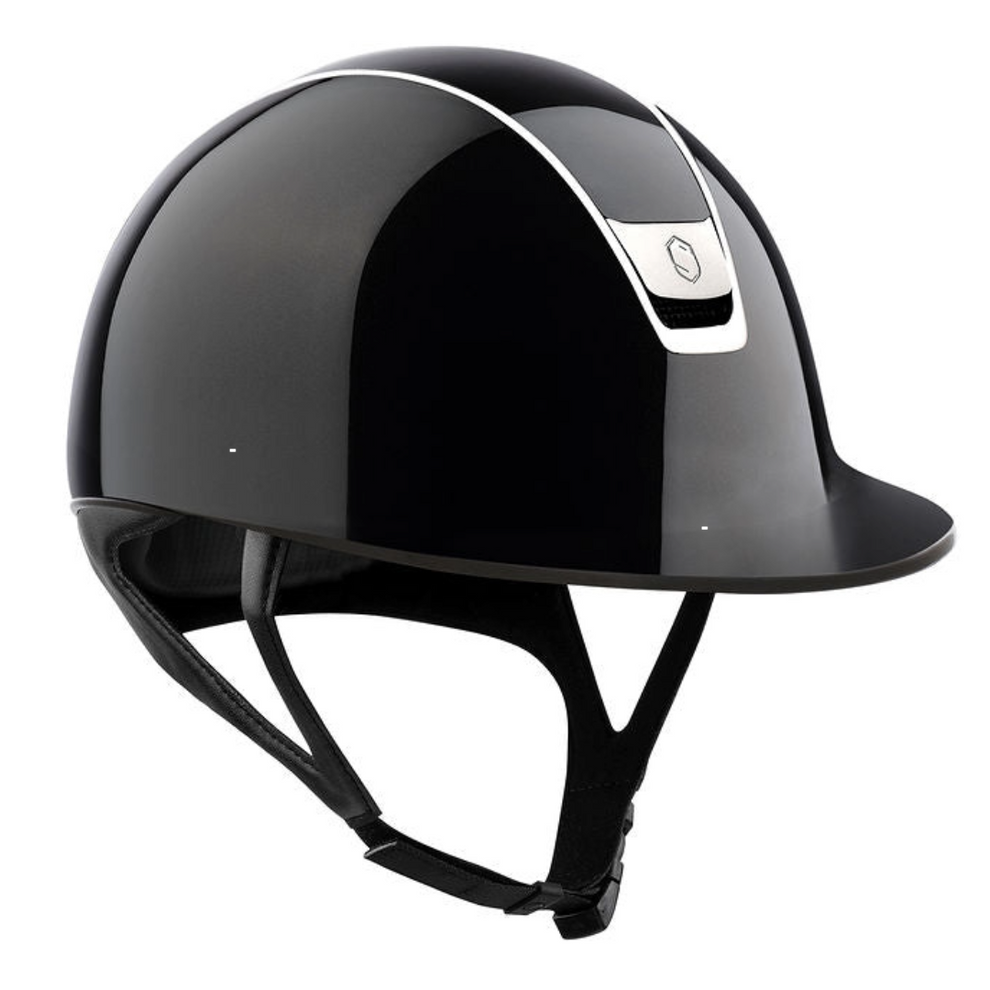
All riders must wear an approved riding helmet that meets or exceeds current ASTM/SEI (American Society for Testing and Materials/Safety Equipment Institute) standards for equestrian use and includes the SEI tag. Helmets have come a long way since the velvet hunt caps of yesteryear. Today there are many brands and styles to choose from. While we know a little bling never hurt anyone, a proper helmet for the hunter and equitation divisions should reflect the tradition of the sport and not be loud or draw attention. Helmets should meet the required safety standards, be solid in color, and avoid flashy embellishments.
Your hair should be neatly tied into a ponytail and folded up into your helmet with a matching hair net. The net and some hair should cover the top part of your ear. If earrings are part of your regular look, make sure they are classic, simple, and not distracting.
Show Jackets
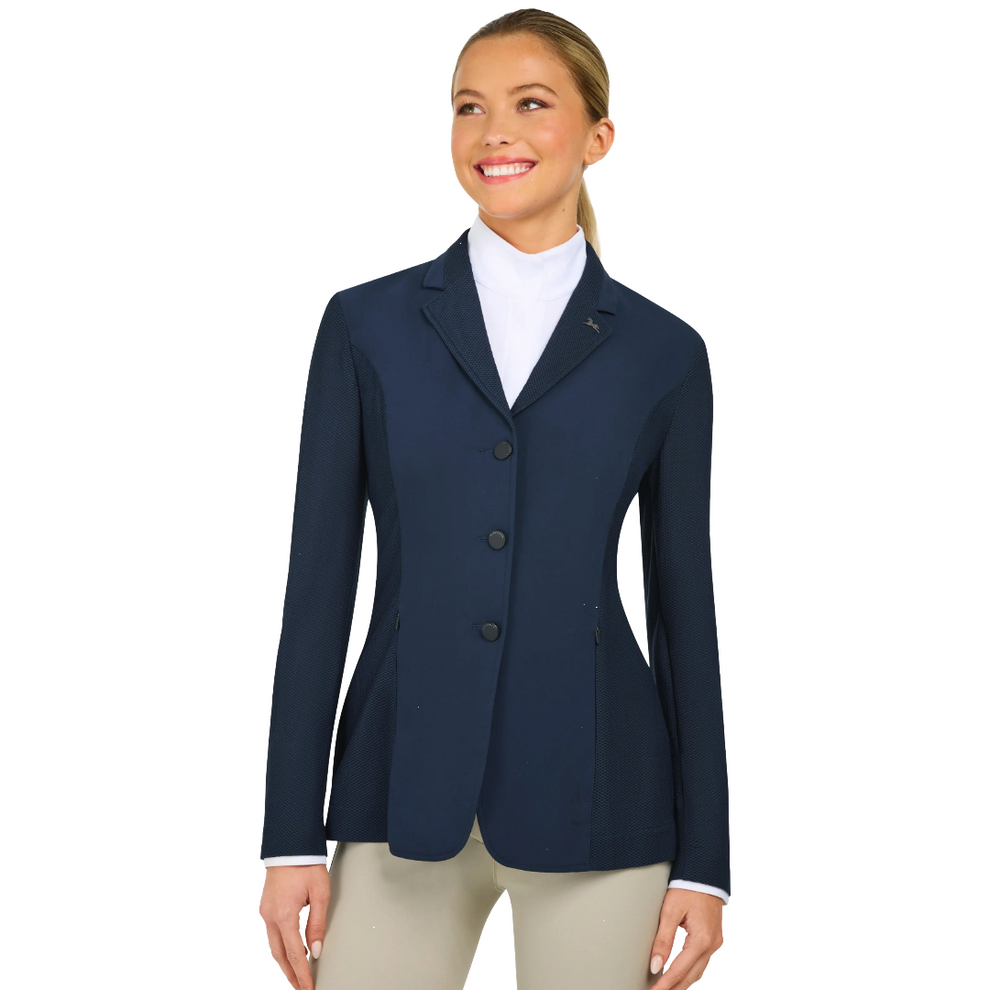
Your coat is the centerpiece of your show ring look. Show coats for the hunter and equitation rings are traditionally navy, dark green, or black. It should be well-fitted and tailored to a proper length, covering the backside without being too long or too short. The sleeves should also be long enough so that when you're jumping, they don't ride halfway up your arms. Today's show coats come in a variety of lightweight materials, including soft shell, jersey, and mesh, making them much more breathable than the original wool coats. Choose a coat that fits well, and tailor it if needed to suit your body shape and create a polished appearance.
Show Shirts
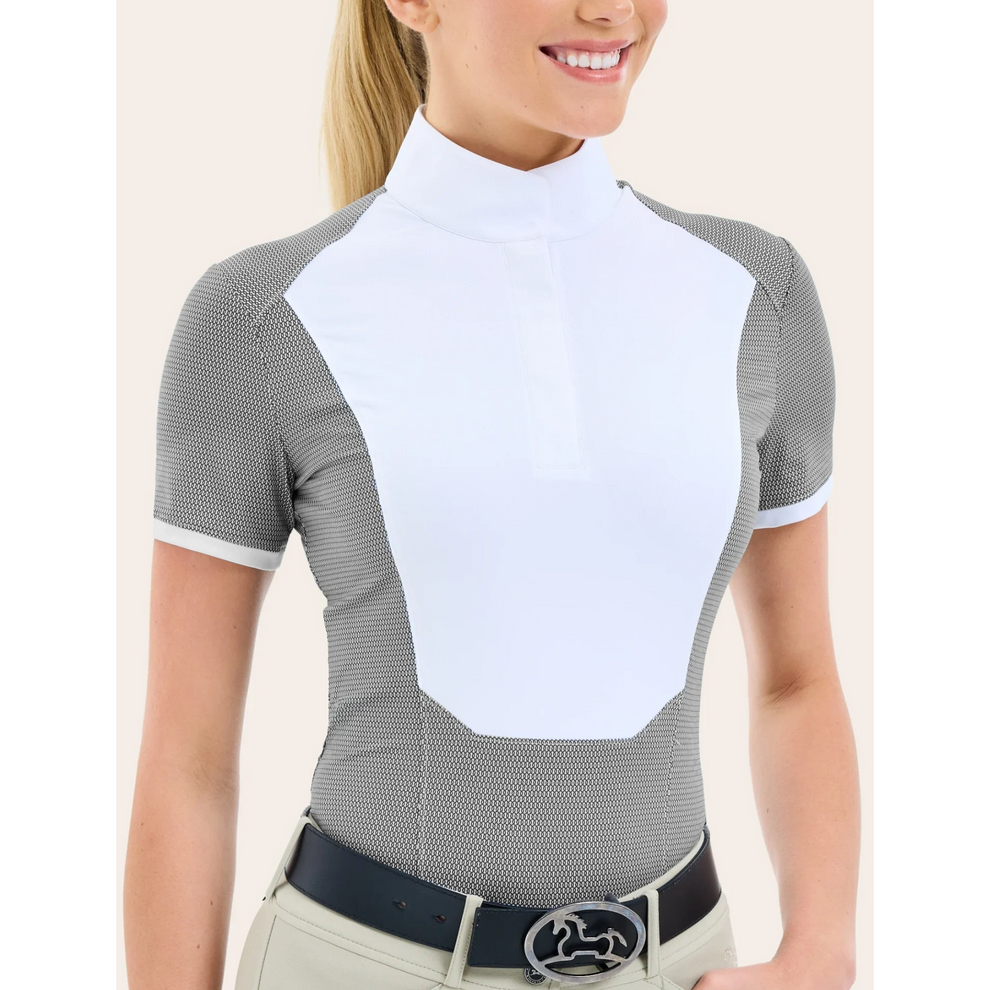
A white show shirt worn under your show jacket should be freshly pressed and crisp, featuring either a wrap neck or collar. It can be long-sleeved, short-sleeved, or even sleeveless when worn beneath your coat. Like show jackets, show shirts have evolved with breathable fabrics and mesh panels for added comfort.
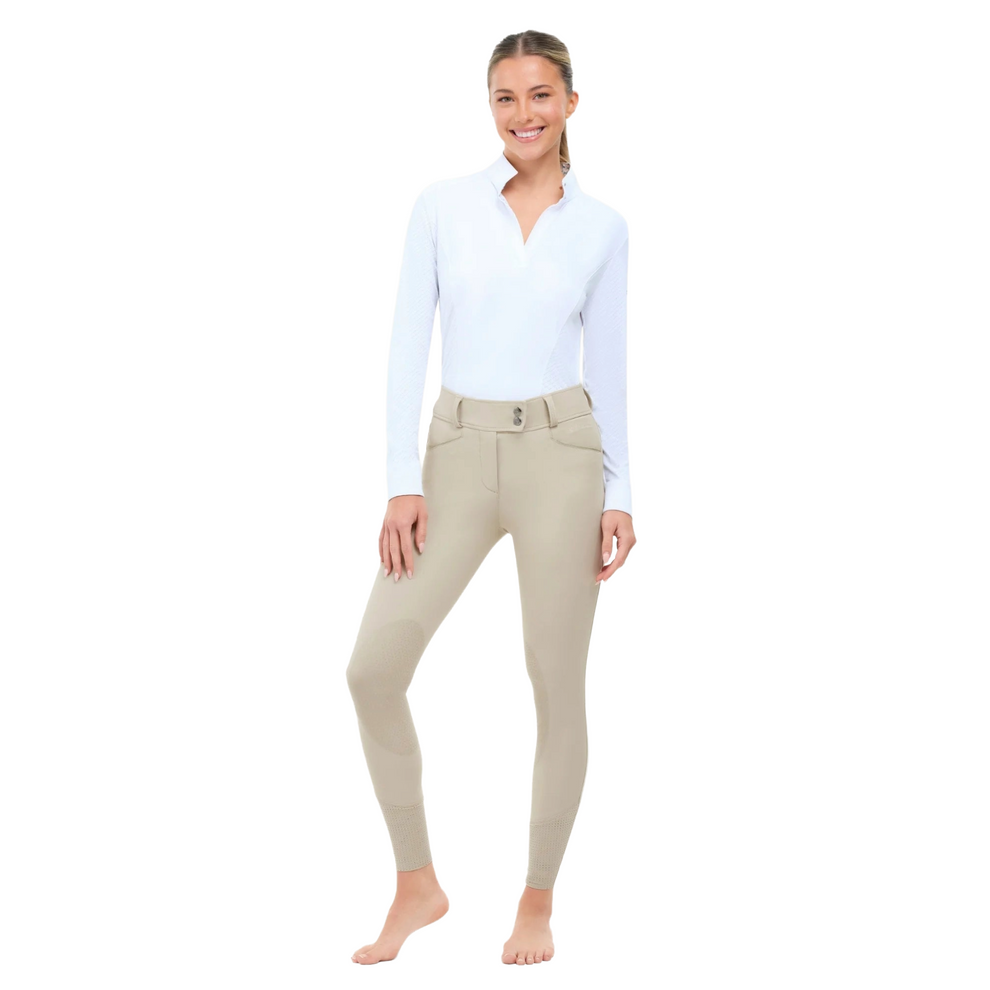
Breeches and Jodhpurs
Traditionally, breeches and jodhpurs should be light tan or beige with knee patches. Modern fabrics are more breathable and stretchy, allowing for easier movement during long show days. Breeches and jods should always be clean and wrinkle-free, so don't forget to pack an extra pair for schooling. A conservative belt should be worn and should be subdued in style.
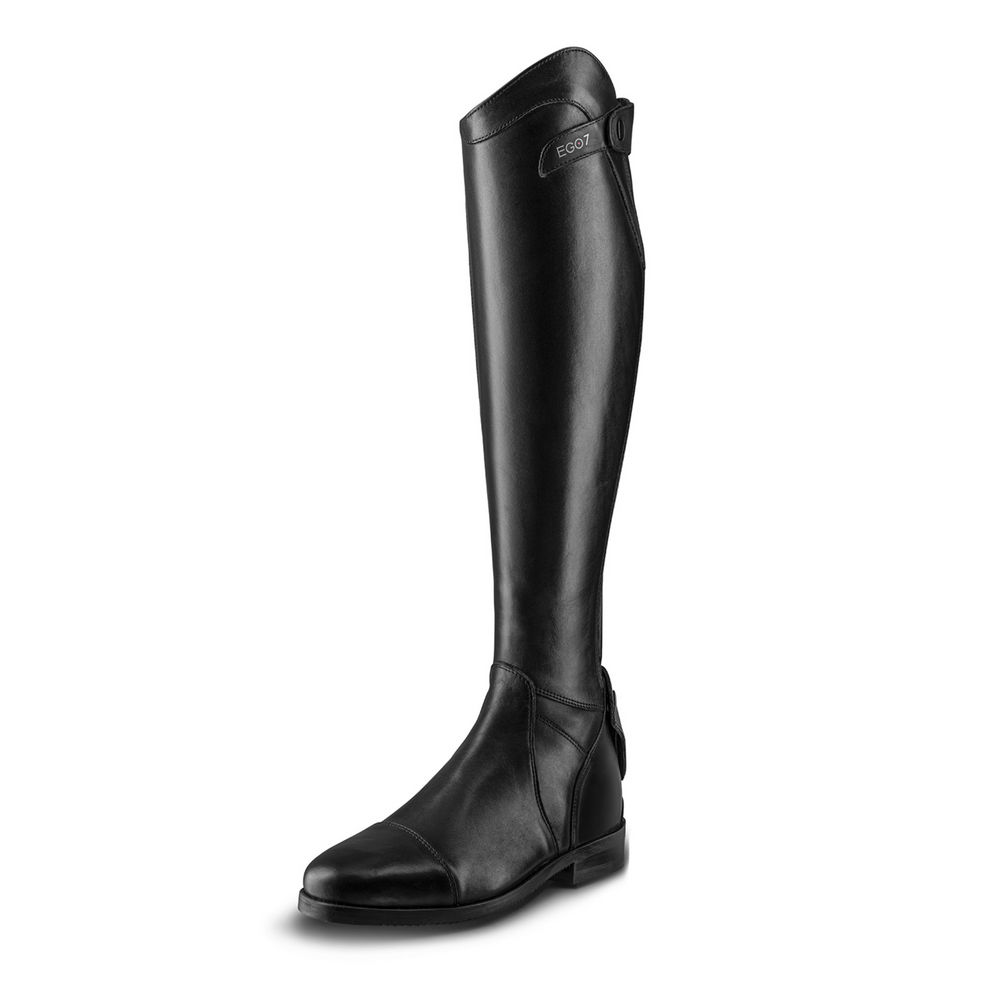
Tall Boots and Paddock Boots
Tall boots should fit well, with the top of the boot resting just below your kneecap. They should never be loose or ill-fitting. One of the most important details before entering the show ring is having clean, shiny, and well-polished boots; judges often notice this. Keep a rag and boot polish in your ringside bag for last-minute touch-ups. Paddock boots for children should also fit properly, with the jodhpur straps securely fastened beneath the boot.
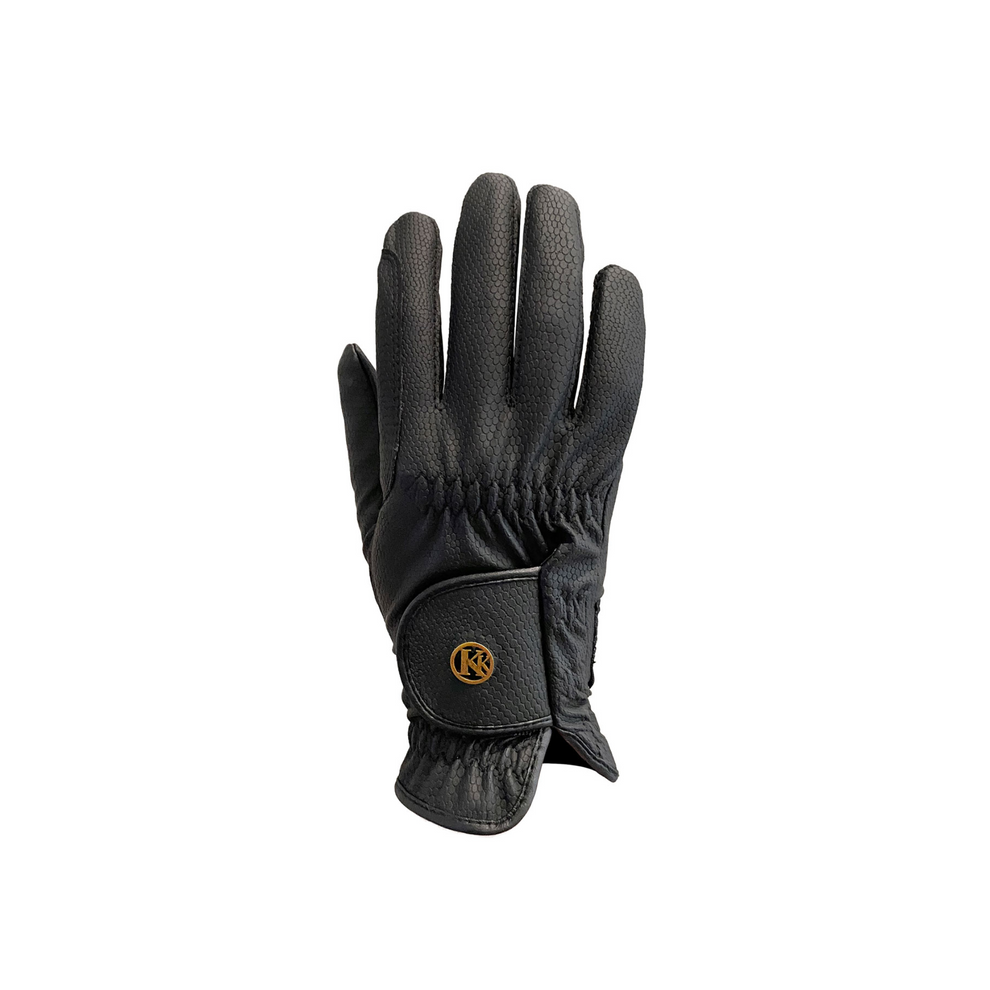
Gloves
It's considered a faux pas to step into the hunter or equitation ring without gloves. Gloves should be conservative, well-fitting, and free of excessive embellishments.
Garter and Spur Straps
Garter straps and spur straps should both be clean and match the color of your boots.
Final Thoughts
And finally, enjoy yourself! There is nothing more pleasing than seeing a well-turned-out rider with a focused, positive expression to complete the picture.